


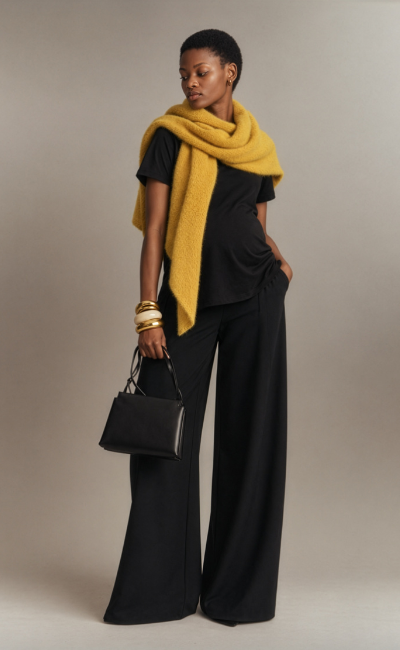

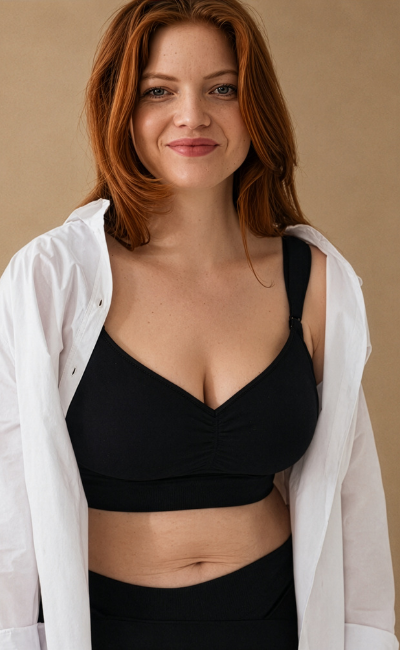
The Complete Guide to Buying Maternity & Nursing Bras
How to Choose the Right Maternity & Nursing Bra
Your body changes dramatically during pregnancy and postpartum, and few wardrobe essentials work harder than a well-fitting maternity or nursing bra.
Whether you're in your first trimester or preparing for your baby's arrival, choosing the right bra can make a significant difference in your comfort, support, and confidence. This guide will help you understand the differences between maternity and nursing bras, when to buy them, and how many you'll actually need.
What's the Difference Between a Maternity Bra and a Nursing Bra?
A maternity bra is designed to support your changing body during pregnancy. It typically features softer fabrics, wider straps, extra stretch, and flexible sizing to accommodate breast growth.
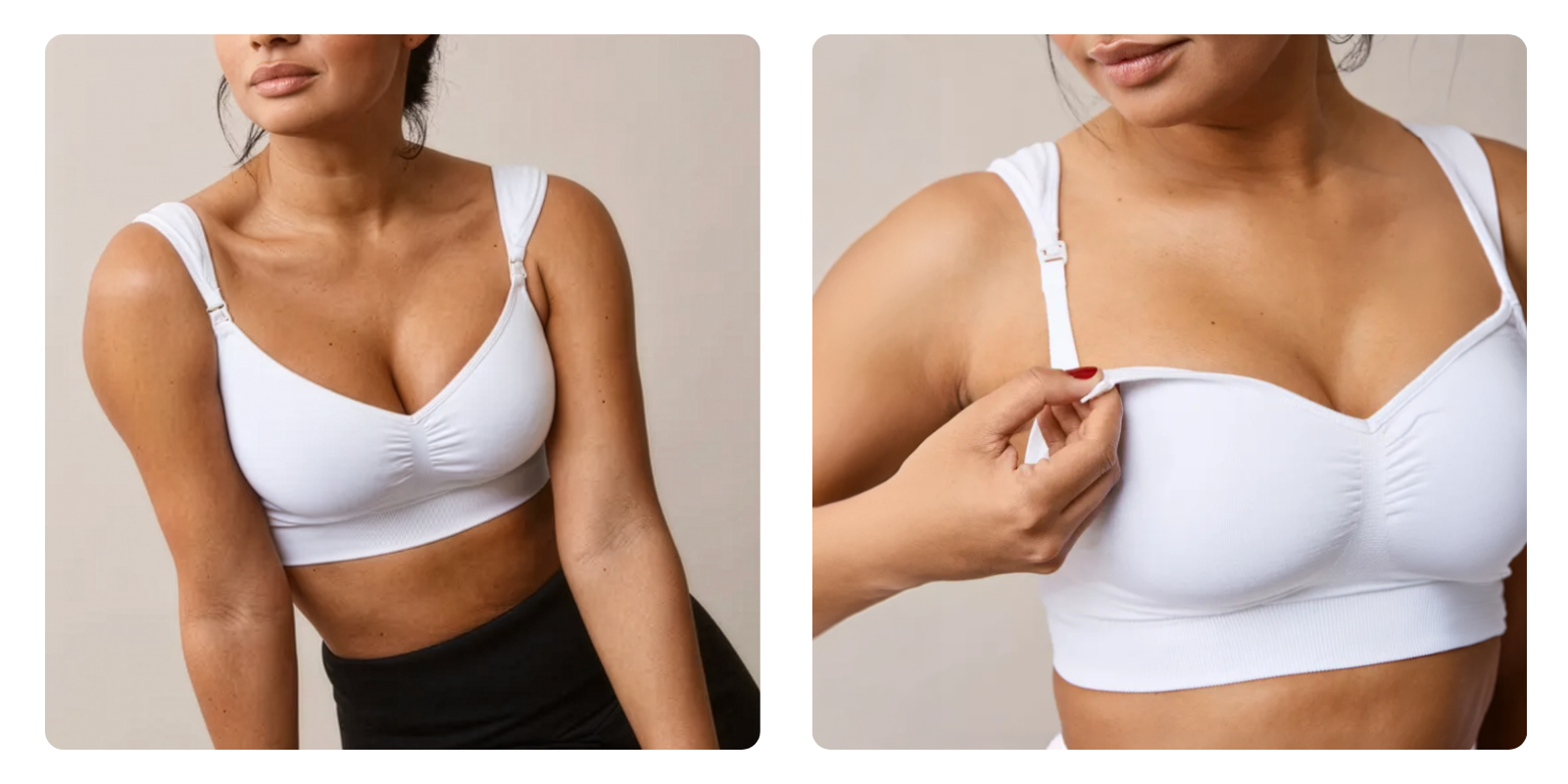
A nursing bra includes all of those features plus easy-access nursing clips or panels that allow you to breastfeed or pump without removing your bra.
Many modern bras combine both functions, making them suitable throughout pregnancy and postpartum.
When Should You Buy a Maternity Bra?
Most women notice breast changes as early as the first trimester.
You may be ready for a maternity bra when:
- Your regular bra feels tight or uncomfortable.
- The band leaves marks on your skin.
- Your cups feel too small.
- Underwires become uncomfortable.
- Your breasts feel more sensitive than usual.
For many women, this happens between 12 and 20 weeks of pregnancy.
When Should You Buy a Nursing Bra?
If possible, wait until the final weeks of pregnancy before purchasing the majority of your nursing bras.
Breast size often changes significantly after delivery and again when milk production is established.
Many women choose:
- 1–2 maternity bras during pregnancy.
- 3–5 nursing bras for postpartum and breastfeeding.
This provides enough flexibility for daily wear and frequent washing.
How Many Nursing Bras Do You Need?
A good starting point is:
- 3 everyday nursing bras
- 1 sleep nursing bra
- 1 backup bra
If you plan to breastfeed for an extended period or pump frequently, having 5–6 nursing bras can make life much easier.
Babies are unpredictable. Leaks happen. Laundry piles up quickly.
Having a few extra bras often becomes one of the best postpartum investments.
How Should a Maternity or Nursing Bra Fit?
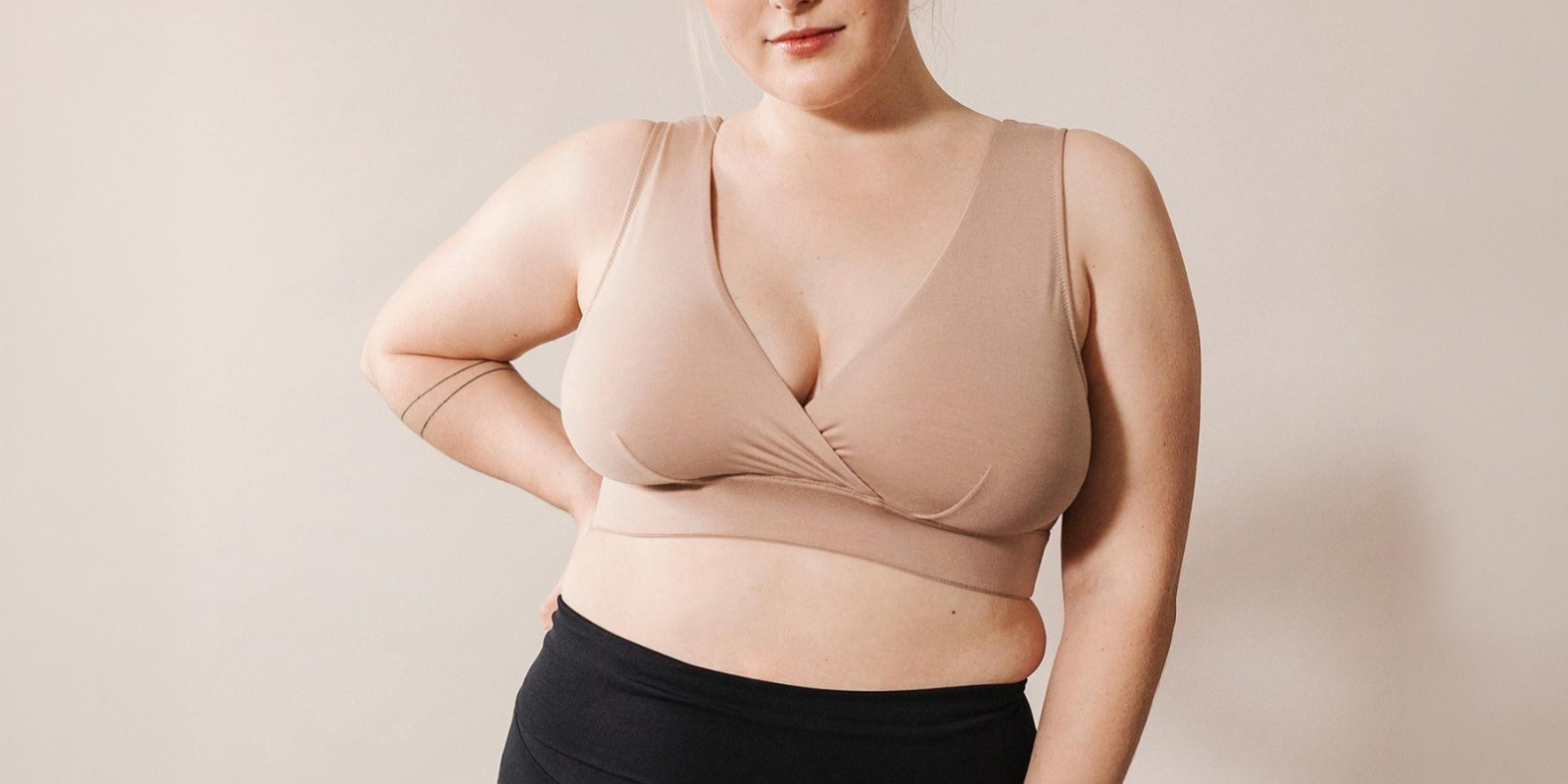
A properly fitting bra should:
- Feel supportive without digging in.
- Sit flat against your rib cage.
- Fully contain breast tissue.
- Allow comfortable movement.
- Accommodate some additional growth.
Avoid choosing a bra that already feels tight. Your body will likely continue changing throughout pregnancy and postpartum.
What Features Should You Look For?
The best maternity and nursing bras often include:
- Soft, breathable fabrics
- Stretch for changing breast size
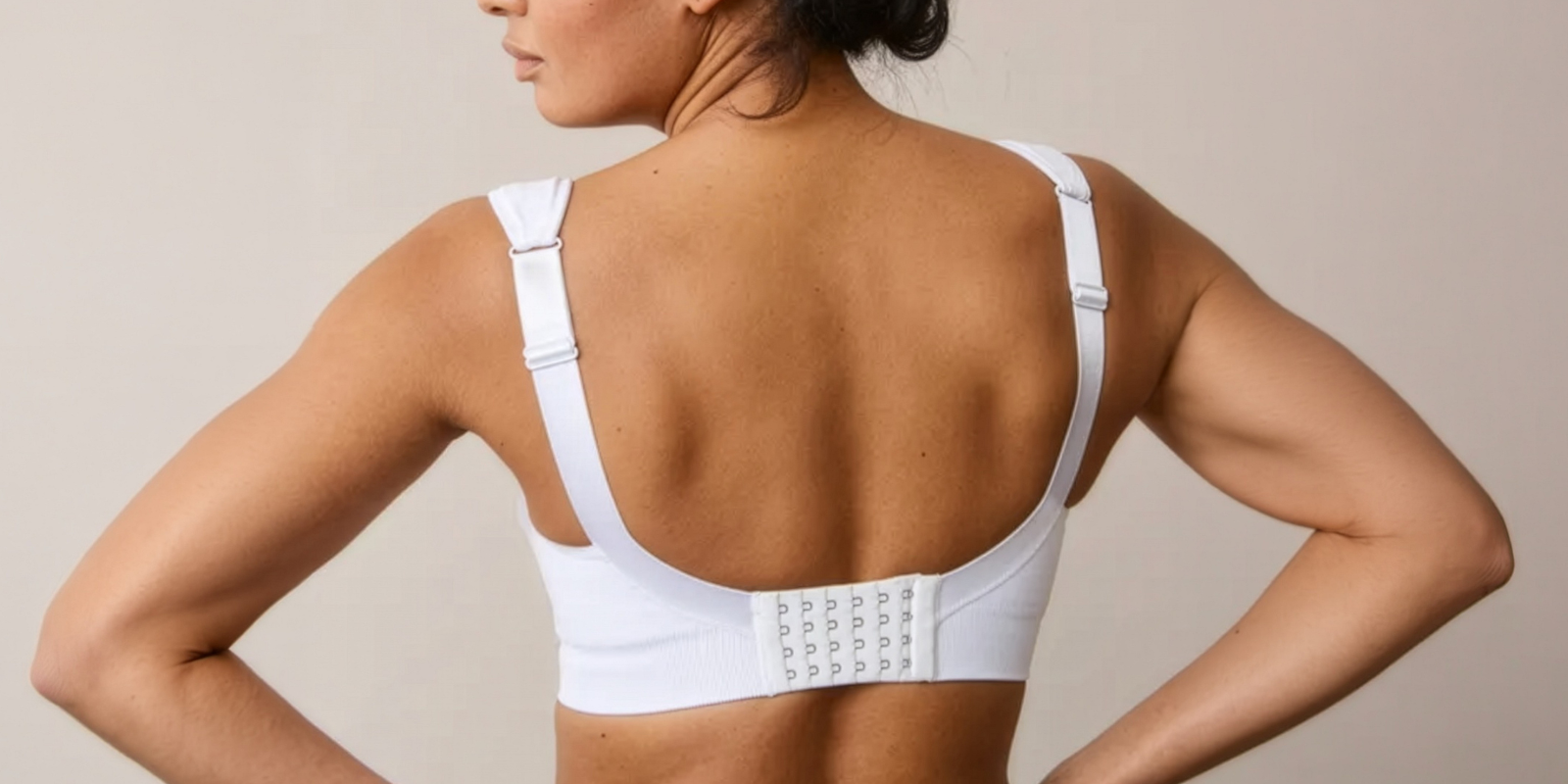
- Adjustable straps
- Multiple hook-and-eye closures
- Easy nursing access
- Wide supportive bands
- Seamless construction
Comfort should always come before appearance. Fortunately, modern maternity lingerie offers both.
Building Your Pregnancy & Postpartum Bra Collection
Rather than buying a large number of bras upfront, build your collection gradually.
A simple approach:
During Pregnancy
- 2 everyday maternity bras
- 1 sleep bra
After Baby Arrives
- 3–5 nursing bras
- 1 nursing sleep bra
- Optional pumping-friendly bra
This creates a practical wardrobe that supports you through every stage of motherhood.
NEED QUICK ANSWERS
Frequently Asked Questions
Yes. Many nursing bras are designed to be worn during pregnancy and postpartum.
Many women find a soft nursing sleep bra helpful during late pregnancy and early breastfeeding.
Every woman is different, but it's common to gain one or more cup sizes during pregnancy and breastfeeding.
Absolutely. Few items in your wardrobe will be worn more frequently during pregnancy and postpartum than your bras.
The Bottom Line
A great maternity or nursing bra should support your changing body without sacrificing comfort. Focus on fit, flexibility, and quality rather than buying a large quantity too early.
Your body is doing extraordinary work. The right bra helps support every stage of the journey.
HauteMama
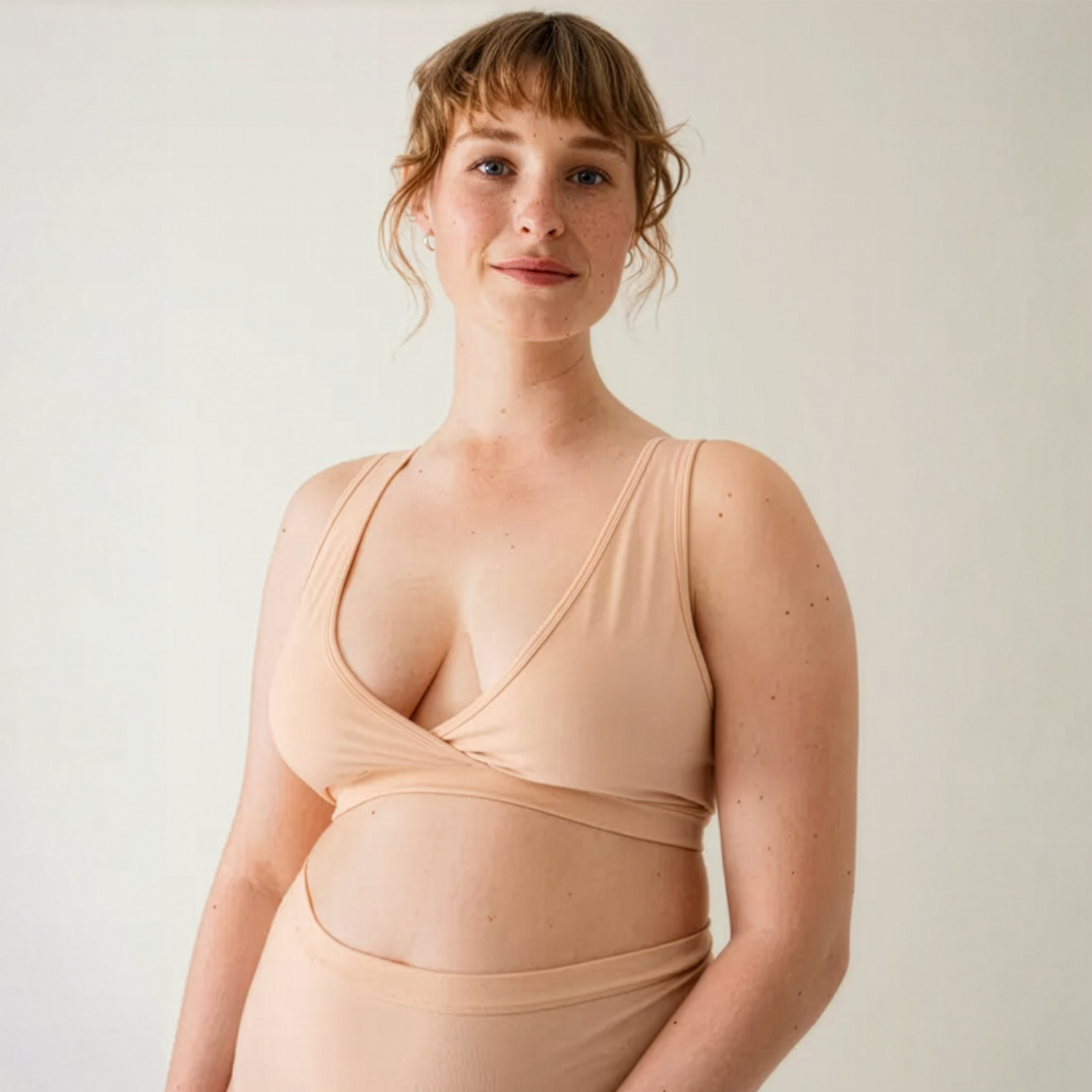
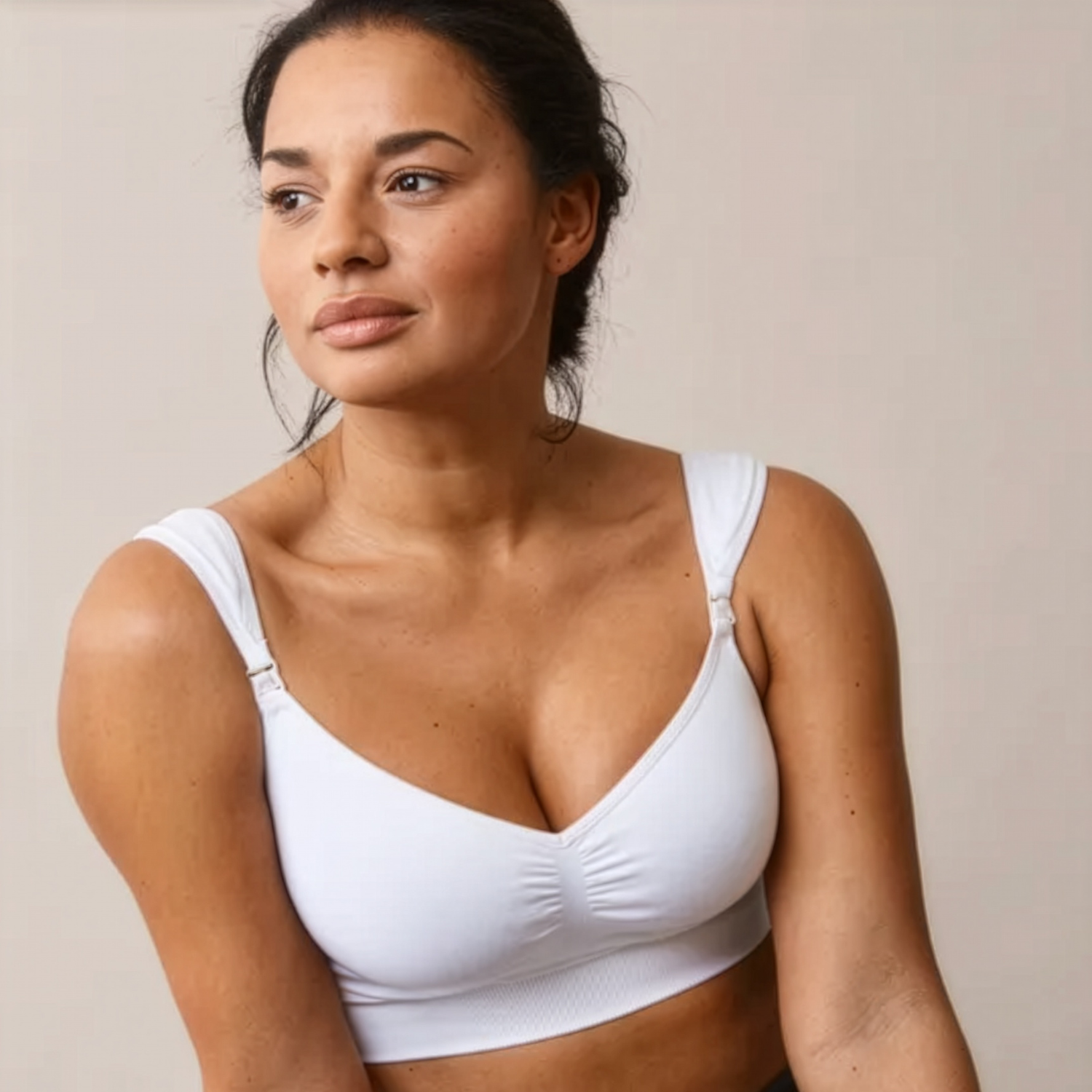
Our maternity & Nursing Bra Collection
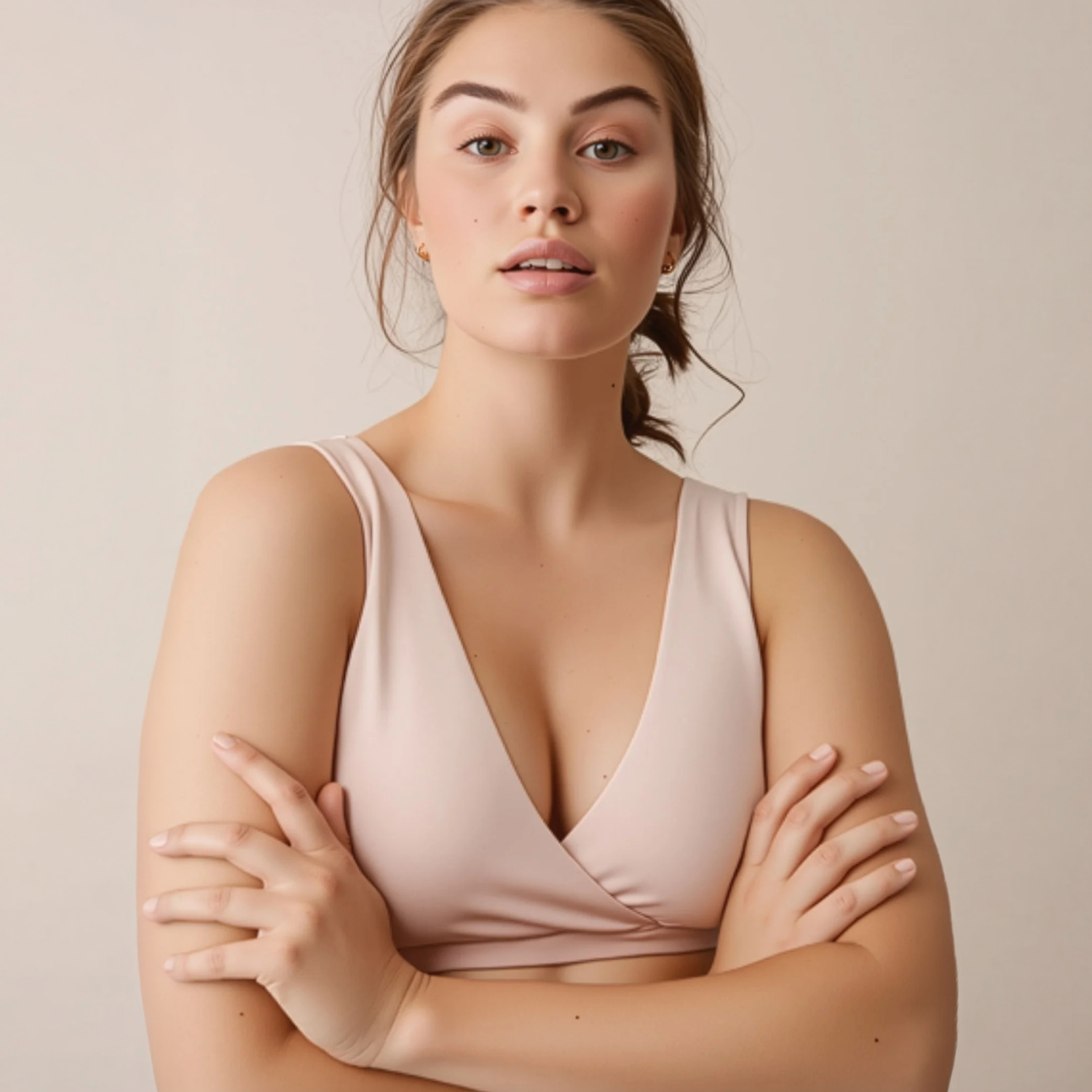
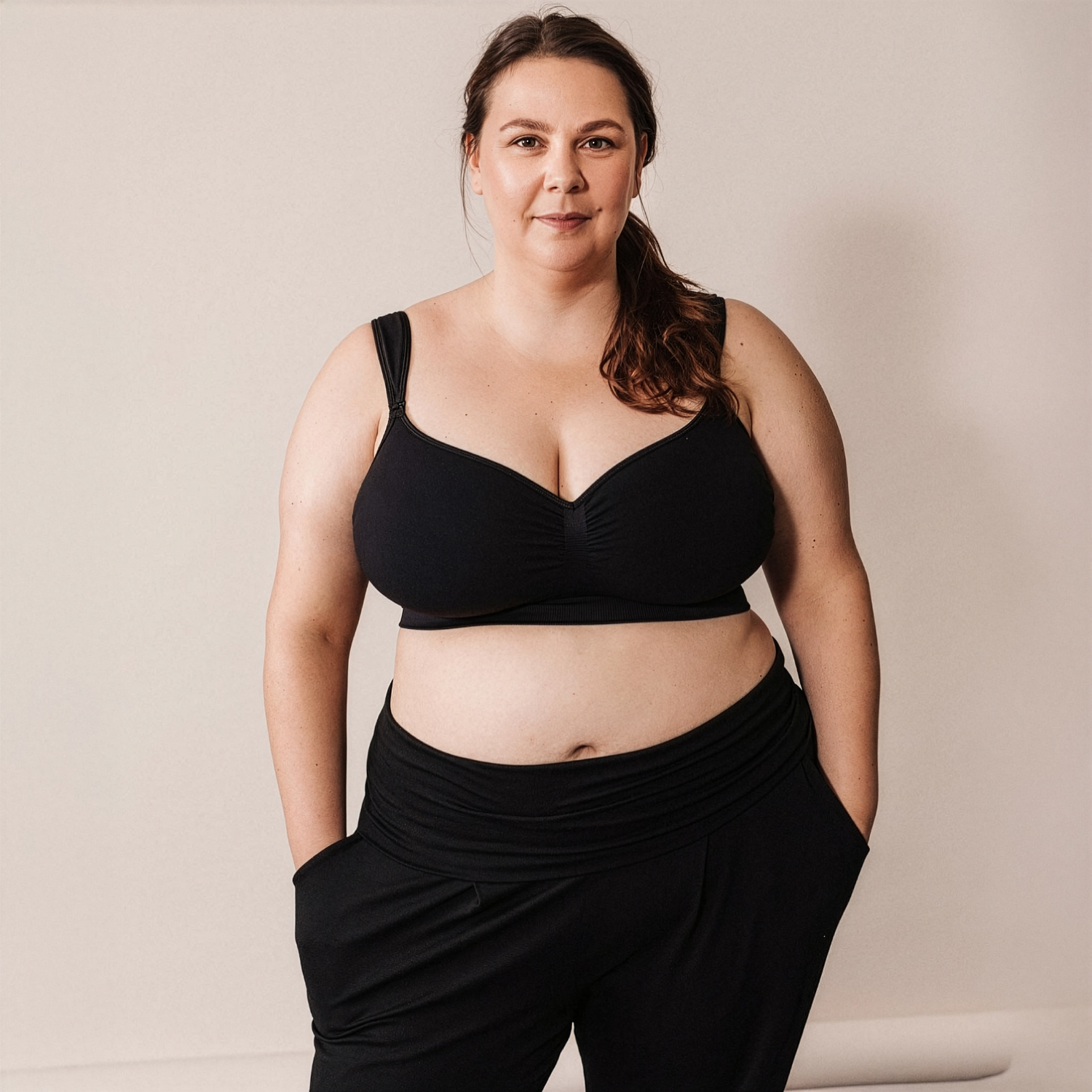
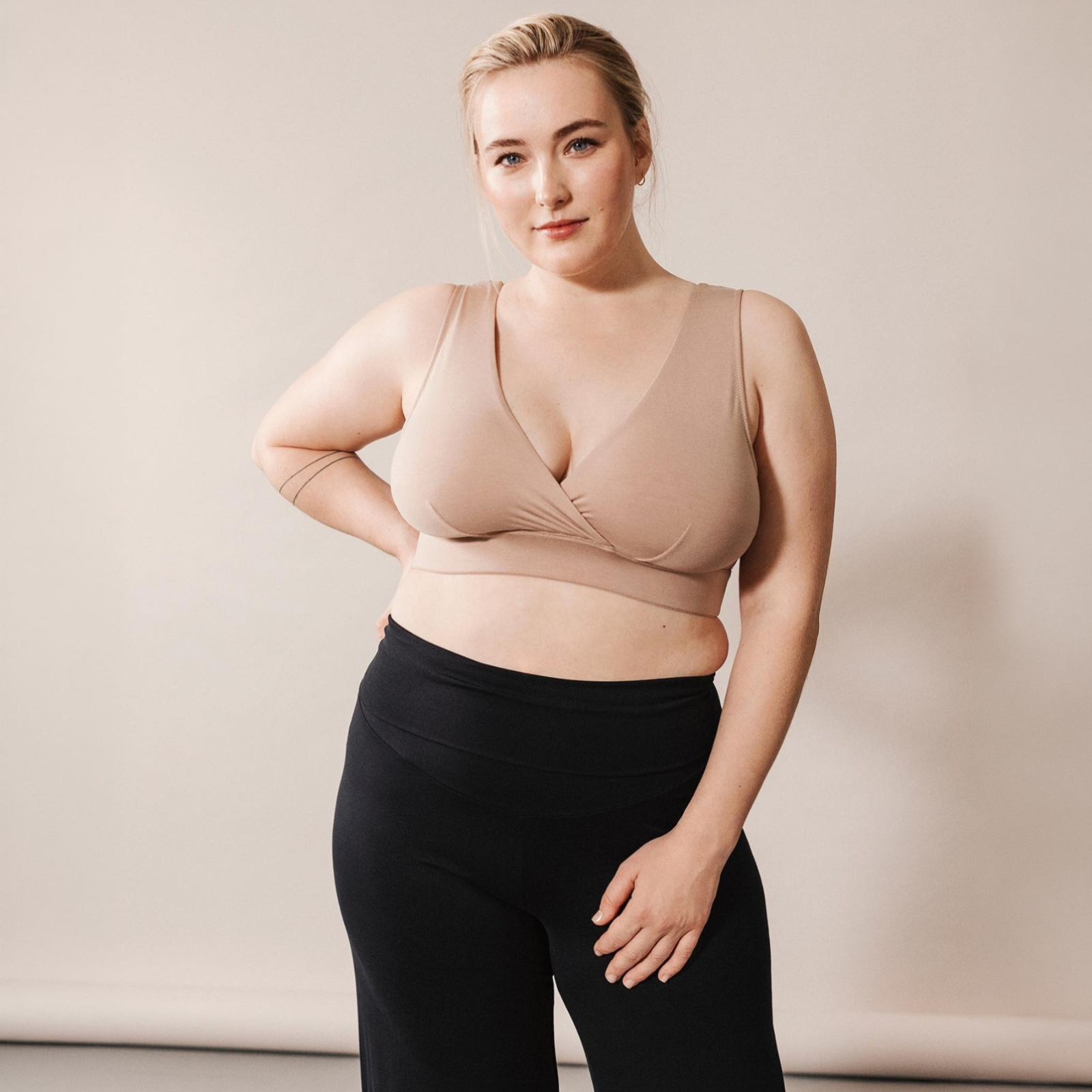
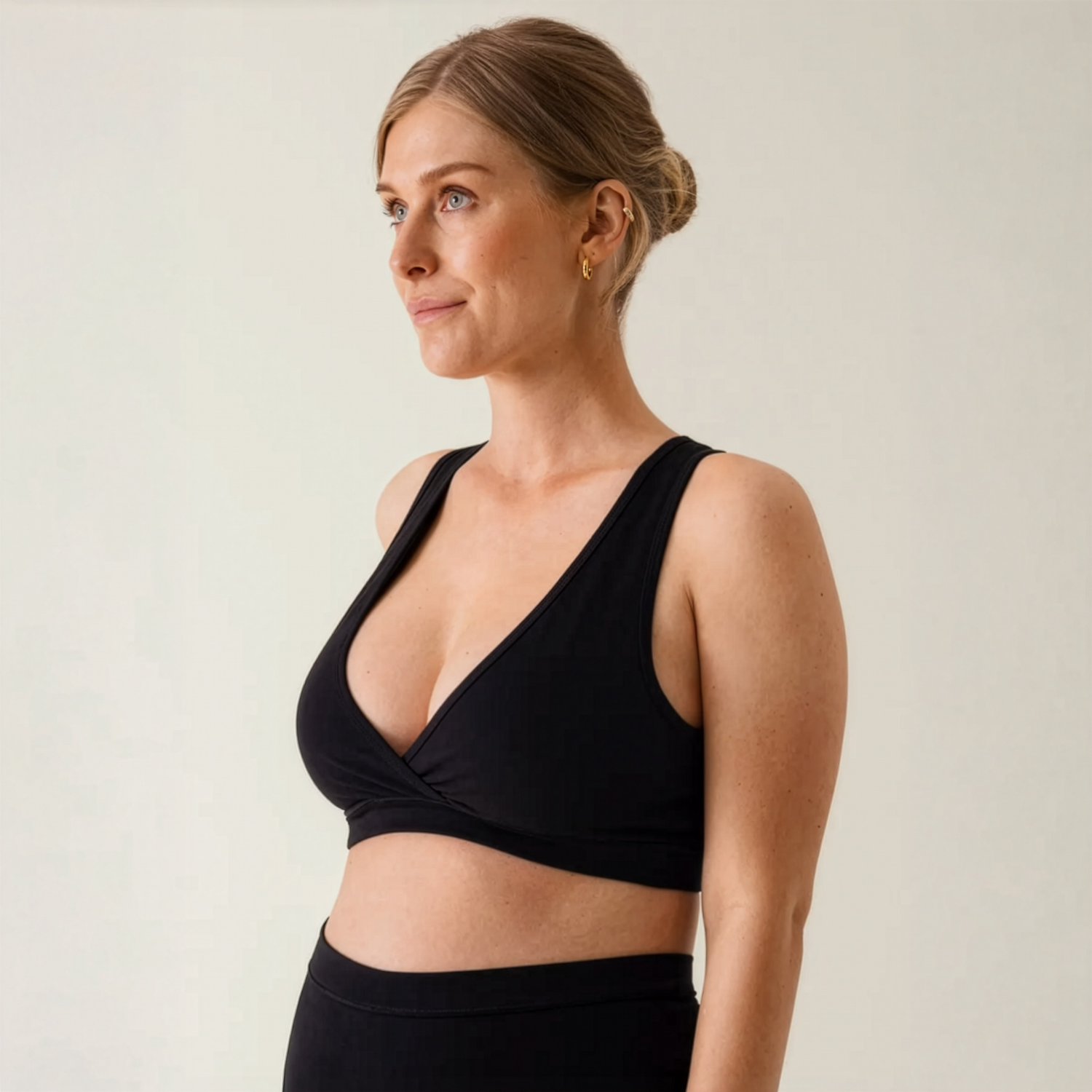
FIND YOURPERFECT FIT
HOW TO MEASURE YOUR maternity & NURSING BRA
A properly fitting nursing bra can make all the difference during pregnancy and breastfeeding. Learn how to measure your maternity & nursing bra size.

Step 1:
Band Size (Underbust)
Measure snugly around your ribcage, directly underneath your breasts.
If you get an odd number, round up to the closest even number (e.g., 31 inches rounds up to 32).

Step 2:
Bust Size
Wrap the measuring tape around your back and over the fullest part of your breasts. Keep this measurement relatively loose so your bra will not constrict you

Step 3:
Cup Size
Subtract your band measurement from your bust measurement. Every inch of difference represents one cup size (e.g., a 1-inch difference is an A cup, 2 inches is a B cup, and so on).